



Grades K-2
Show Them What the Bible Means

PARENT EMPHASIS
- Teach the Bible
- Form their character
- Encourage a habit of prayer
- Show your child how to join in with corporate worship
So much forming and shaping happens during the elementary years, and you still hold enormous influence. During this season, invest heavily in nurturing your child into the person and worshiper you hope he becomes. More than anything, they need to know God’s Word. They need you to teach them not just what it says, but what it means, and what it means for them.
- Learn and memorize the books of the Bible in proper order.
- Emphasize the truthfulness, authority, and necessity of Scripture.
- Explore the redemptive storyline of Scripture.
- Begin to examine simple verses for context and meaning.
1st and 2nd Grade:
- Learn how to find things in the Bible.
- Equip them with basic Bible study tools for examining a simple passage of Scripture.
- Expand their knowledge of God’s character (His attributes) and how we are to respond to Him.
- Introduce a short, comprehensive overview of the gospel.
Find more age-specific Bible training in From Childhood You Have Known--Guiding Children to Understand and Treasure the Bible.
FAMILY DEVOTIONALS
A key to prioritizing your children’s spiritual development is establishing a regular time for family devotions.
- Making HIM Known books Illustrated family devotional series teaches children about the character and worth of God. Each chapter ends with personal application questions. Adapted from Truth78 Sunday school curriculum.
- Your Promise Gives Me Life Devotional guide with 40-short lessons about knowing and trusting God's promises.
- The Fighter Verses Bible memory and companion coloring books to equip children to fight the fight of faith.
MORE DISCIPLESHIP RESOURCES
- ESV Children’s Bible
- Children and the Worship Service by David and Sally Micahel
- Parenting by Paul David Tripp
- The Faith of a Child: A Step-by-Step Guide to Salvation for Your Child by Art Murphy
- Your Child’s Profession of Faith by Dennis Gundersen
- Beyond Digital Disruptions to Discipleship with Clare Morell
TOWARD SALVATION
Your Role: planter—planting seeds through teaching, modeling, observing, answering
Unlike a preschooler, a child in the early elementary years begins to question things. He is beginning to do some thinking for himself instead of just absorbing what he is told. The constant why and how questions will, at times, be very difficult or even impossible to answer. But the questions should be welcomed.
At this stage, we should give children the biblical answers for the questions we can answer and admit that we don’t know the answers to some of their questions. Cultivate the art of dialogue with them. The constant discussion is an important opportunity to correct misconceptions and to help children really grasp the importance of the gospel. By the early elementary years, it is crucial that children possess not only a knowledge of the facts of the gospel, but that they can also demonstrate a true understanding of the gospel.
This section was excerpted from Helping Children to Understand the Gospel , a booklet for parents about teaching the gospel to their children, that also includes a 10-lesson devotional to help present the gospel to children.
Resources for K-2nd family discipleship
Guides for parents, devotionals, Bible memory resources, and more.
-
Fighter Verses Bible Memory Cards
Regular price $13.50 USDRegular priceUnit price per$15.00 USDSale price $13.50 USDSale -
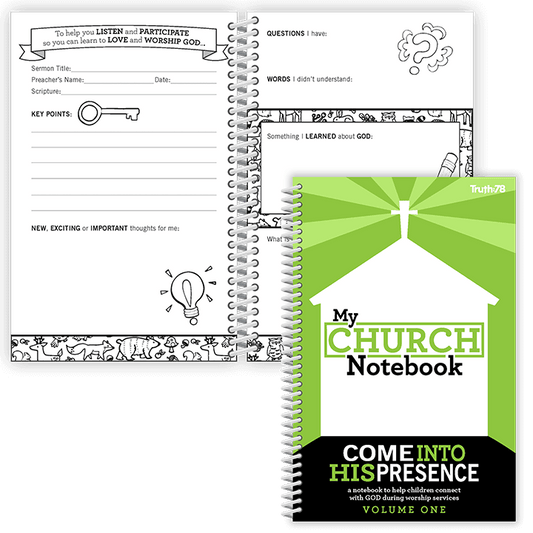
My Church Notebook - Volume 1
Regular price $9.00 USDRegular priceUnit price per$10.99 USDSale price $9.00 USDSale -
Praying for the Next Generation
Regular price $9.00 USDRegular priceUnit price per$9.99 USDSale price $9.00 USDSale -
Helping Children to Understand the Gospel
Regular price $9.00 USDRegular priceUnit price per$9.99 USDSale price $9.00 USDSale -
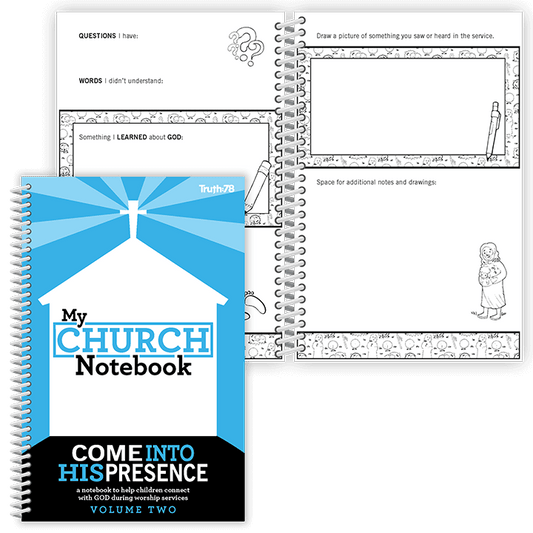
My Church Notebook - Volume 2
Regular price $9.00 USDRegular priceUnit price per$10.99 USDSale price $9.00 USDSale

Get regular support for family discipleship
-

FREE
Sign UpSign up to get family discipleship encouragement and resources delivered to your inbox—and we'll include a Family Discipleship Guide for free.
-

SUBSCRIPTION
Explore Truth78+ FamilySubscribe to Truth78+ Family for encouragement and resources for Bible study, Scripture memory, family devotions, and more.
Get digital access to over 20 family discipleship resources and get 25% off print orders of $25 or more.


